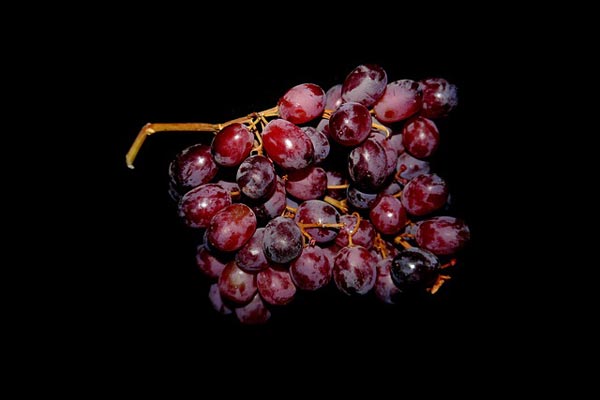
Resveratrol is a much touted anti aging substance found in red wine (actually it is concentrated in the skins of grapes), although it is also found in other plants like peanuts, Japanese knotweed, cranberries and blueberries. In studies done on non human subjects, resveratrol is interesting in that it has increased the lifespan of these organisms. Subjects like yeast, fish, and mice, when given resveratrol, have lived longer than their counterparts who were fed normal diets. Hence, scientists hypothesize that humans may also live longer if they took resveratrol on a daily basis.
Resveratrol has been the focus of some scientific attention in recent years. One of its benefits is that of improving cardiovascular health. This could account for the increased lifespan of red wine drinkers in Mediterranean areas. Red and white wine both contain resveratrol, but only red wine has a much higher content. Resveratrol seems to reduce the risk of heart attacks by making the blood more fluid, and also reduce cholesterol levels in the blood.
What makes resveratrol worth investigating is because it activates an enzyme in cells called Sirtuin 1, or SIRT1, which rejuvenates the mitochondria. Resveratrol seems to mimic the effects of a caloric restriction lifestyle, by triggering the same responses in cells. This is interesting, because as I mentioned earlier, when you fast, many complex changes happen on the metabolic and cellular level, leading to slowed down cell degeneration, including increased GH levels. The research into SIRT1 and resveratrol looks promising, as scientists seek to understand and address the problems posed by genes and DNA as we age.
Apart from anti aging effects, resveratrol is getting known for its anti cancer properties. In tests done on lab mice, resveratrol showed promise in retarding the development of cancer cells. But so far, I do not know of any live human tests that have proven the same results.
So, although resveratrol is promising enough, it’s early days yet. The major problem that I notice is the huge amount of resveratrol required to actually make a difference in any individual human being. All these tests on resveratrol have so far been done on non human subjects, who are many times smaller, and have different weights, body mass, and biology.
Another practical problem with resveratrol is bioavailability. Much like vitamin C or Coenzyme Q10, it’s what the body can utilize, that counts. Just taking a high dosage may not matter when the body cannot utilize much of the dosage because of the breakdown of resveratrol while it is in the body, into other components. There is micronized resveratrol which is a more bioavailable form, though.
Can such a widely found substance hold the answer to our aging woes? Not only is it an anti aging substance, but it’s also a strong antioxidant, and anti-inflammatory agent. Other research has suggested anti radiation properties in resveratrol.
If you’re planning to try resveratrol, start with a low dose and build up gradually. Experts caution against free loading on resveratrol because it’s still largely unproven, coming to prominence only in the last few years. But definitely another (good) reason to indulge in the red wine, at least once in a while.